
Let's learn about FPC tags in RFID technology
What are FPC tags?
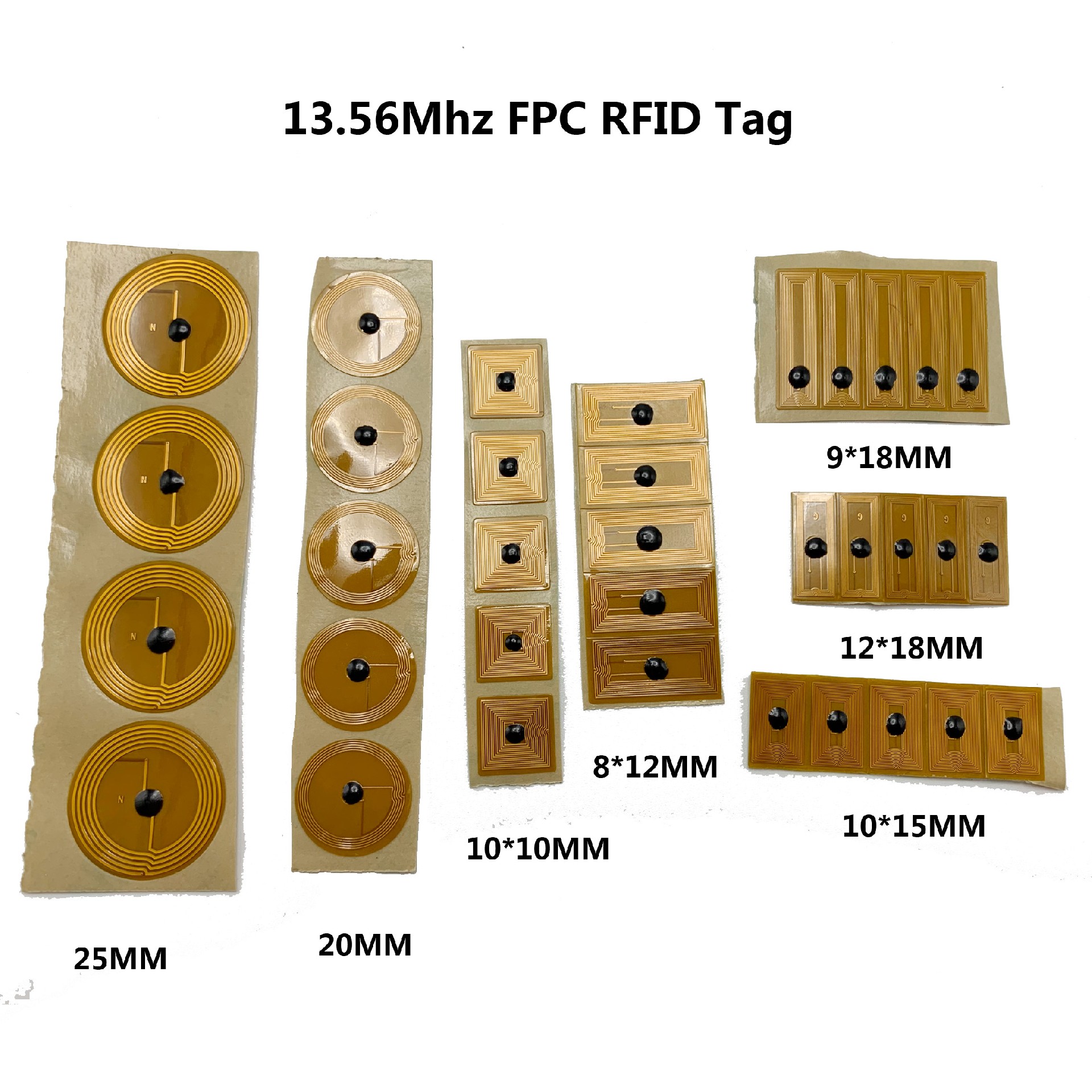
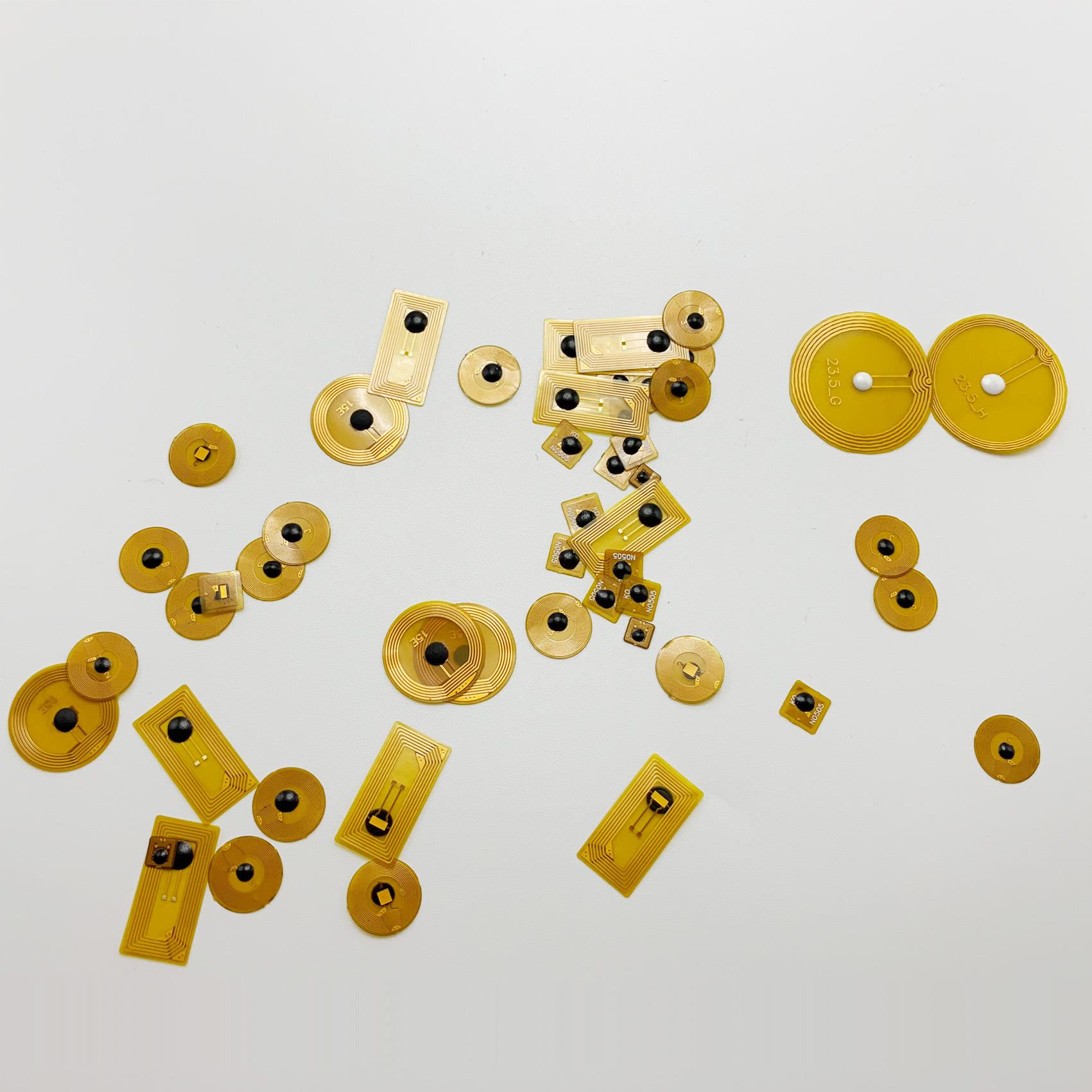
FPC tags are a form of application of Flexible Printed Circuit (FPCB), also known as flexible circuit tags. They are made from flexible substrates and are bendable, foldable,
and flexible. FPC tags are commonly used in electronic devices for connection, signal transmission, or power supply, such as mobile phones, tablets, and laptops.
They allow for flexible wiring in confined spaces and are lightweight, durable, and reliable. FPC tags are also widely used in the automotive, medical device,
and aerospace industries to meet the demands for flexible connections and high reliability.
Shenzhen Naier smart technology Ltd FPC tags offer many advantages and have a wide range of applications. Due to their bending and stretching capabilities, FPC tags can adapt to various shapes of object surfaces without
damage or breakage. This allows FPC tags to be used on curved products such as mobile phones, tablets, and automobiles. Because of the high-precision manufacturing and accurate
circuit design of FPC tags, they have a high capacity for reading and recording data, enabling real-time monitoring and management of products. FPC tags are waterproof, dustproof,
and corrosion-resistant, making them suitable for use in harsh environments, such as factory production lines and warehousing and transportation.
Features of FPC Tags:
1. Flexibility and Bendability: FPC tags are made of flexible substrates, allowing them to be bent, folded, and flexed to adapt to various shapes and sizes for different applications.
2. Lightweight and Thin: Compared to traditional rigid circuit boards, FPC tags are lighter and thinner, enabling flexible wiring in space-constrained devices and saving space.
3. High-Density Layout: Due to their flexibility and bendability, FPC tags allow for high-density wire and circuit pattern layouts, providing more connection and signal transmission channels.
4. High Temperature Resistance: The polyimide substrate commonly used in FPC tags has excellent high-temperature resistance, allowing stable operation in high-temperature environments.
5. Chemical Corrosion Resistance: FPC tags have good chemical stability, resisting corrosion from some chemicals, making them suitable for applications in special environments.
6. High Reliability: Process control during FPC tag manufacturing ensures the reliability and stability of circuit connections, reducing the risk of breakage or failure.
7. High Flexibility: FPC tags can be customized to meet specific needs, adapting to different shapes and sizes for various applications, offering high flexibility.
The general steps for using FPC tags may vary depending on the specific application:
1. Preparation: Identify the equipment or component that needs to be connected or wired, and clean its surface to ensure good contact.
2. Positioning and Installation: Place the FPC tag in the desired location, ensuring it is aligned with the contact point. Adhesive tape, glue, or other suitable fixing methods can be used to secure the FPC tag in place.
3. Connection: Connect the wires or pads of the FPC tag to the corresponding contact point according to the connection requirements. This can be done by soldering, crimping, or plugging.
4. Testing and Verification: After installation and connection, perform necessary tests and verifications to ensure proper functioning of the FPC tag and reliable connection.
Note: The installation and connection process of FPC tags may require the operation of a qualified technician, especially for complex electronic equipment or high-density circuit wiring. Furthermore, it is crucial to follow relevant safety operating procedures and avoid any potential short circuits or damage. If you are unfamiliar with the installation and connection process of FPC tags, it is recommended to consult a professional or relevant technical support.
FPC tags have wide applications in multiple fields. Some common application areas include:
1. Electronic Equipment: FPC tags are widely used in portable electronic devices such as mobile phones, tablets, laptops, and smartwatches for connection and signal transmission. They enable compact wiring and high-density connections, meeting the needs of miniaturization and lightweight design.
2. Automotive Industry: FPC tags play an important role in automotive electronic systems, connecting various control units, sensors, and displays. They are vibration-resistant,
high-temperature resistant, and chemically resistant, adapting to the harsh conditions of the automotive environment.
3. Medical Devices: Due to their flexibility and bendability, FPC tags are widely used in the medical device field. They are used to connect medical sensors, monitoring devices, and
treatment devices, such as pacemakers, blood pressure monitors, and medical imaging equipment.
4. Industrial Control Equipment: FPC tags are used in industrial automation and control systems for connection and signal transmission. They are commonly found in industrial controllers,
robots, instruments, and sensors, providing reliable signal transmission and connectivity.
5. Aerospace Industry: FPC tags are widely used in aerospace equipment, including satellites, navigation systems, flight controllers, and avionics. Their thinness, high density,
and high-temperature resistance meet the stringent weight and reliability requirements of the aerospace industry.
FPC tags perform well in the following scenarios:
1. Wiring in Confined Spaces: Due to their flexibility and bendability, FPC tags are suitable for complex circuit wiring within limited spaces, such as in portable devices like mobile phones,
tablets, and laptops.
2. High-Density Connections: FPC tags allow for high-density wire and circuit pattern arrangements, providing more connection channels. This is suitable for applications requiring a large
amount of signal transmission or connection, such as LCD displays and camera modules.
3. High-Temperature Environments: The polyimide substrate commonly used in FPC tags has excellent high-temperature resistance, enabling stable operation in high-temperature
environments. Therefore, it is suitable for applications requiring high temperatures, such as automotive engine control modules and aerospace equipment.
4. Applications with frequent bending and flexing: The flexibility of FPC tags allows them to operate under conditions of frequent bending, flexing, or folding, making them suitable for
equipment or scenarios requiring frequent deformation, such as wearable devices and flexible electronics.
5. Environments requiring high chemical resistance: FPC tags possess good chemical stability and can resist corrosion from some chemicals, making them suitable for applications
requiring operation in corrosive environments, such as medical devices and industrial control equipment.
FPC tags are a flexible, lightweight, thin, high-density, and temperature- and chemically resistant electronic tag technology. Through the manufacturing and design of flexible printed
circuit boards, they enable real-time monitoring and management of products, improving the efficiency and accuracy of production and distribution processes. FPC tags play a vital role
in various industries, providing more convenient and secure services for businesses and consumers. With the continuous advancement and widespread application of RFID technology,
FPC tags are expected to have even broader development prospects in the future.
Shenzhen Naier Smart Technology Co.,ltd is an industry-leading professional manufacturer and exporter of RFID reader,smart cards and RFID labels,FPC RFID Tag.
our company has achieved strong R&D strength and modern production base, products including the RFID bracelet, RFID tag, RFID card,
RFID inlay, key chains, epoxy label, noncontact IC card and so on. Those products are widely used in security, transportation management,
warehouse management, supply-chain-logistics, library, campus card, shopping malls, hotels, and other fields.
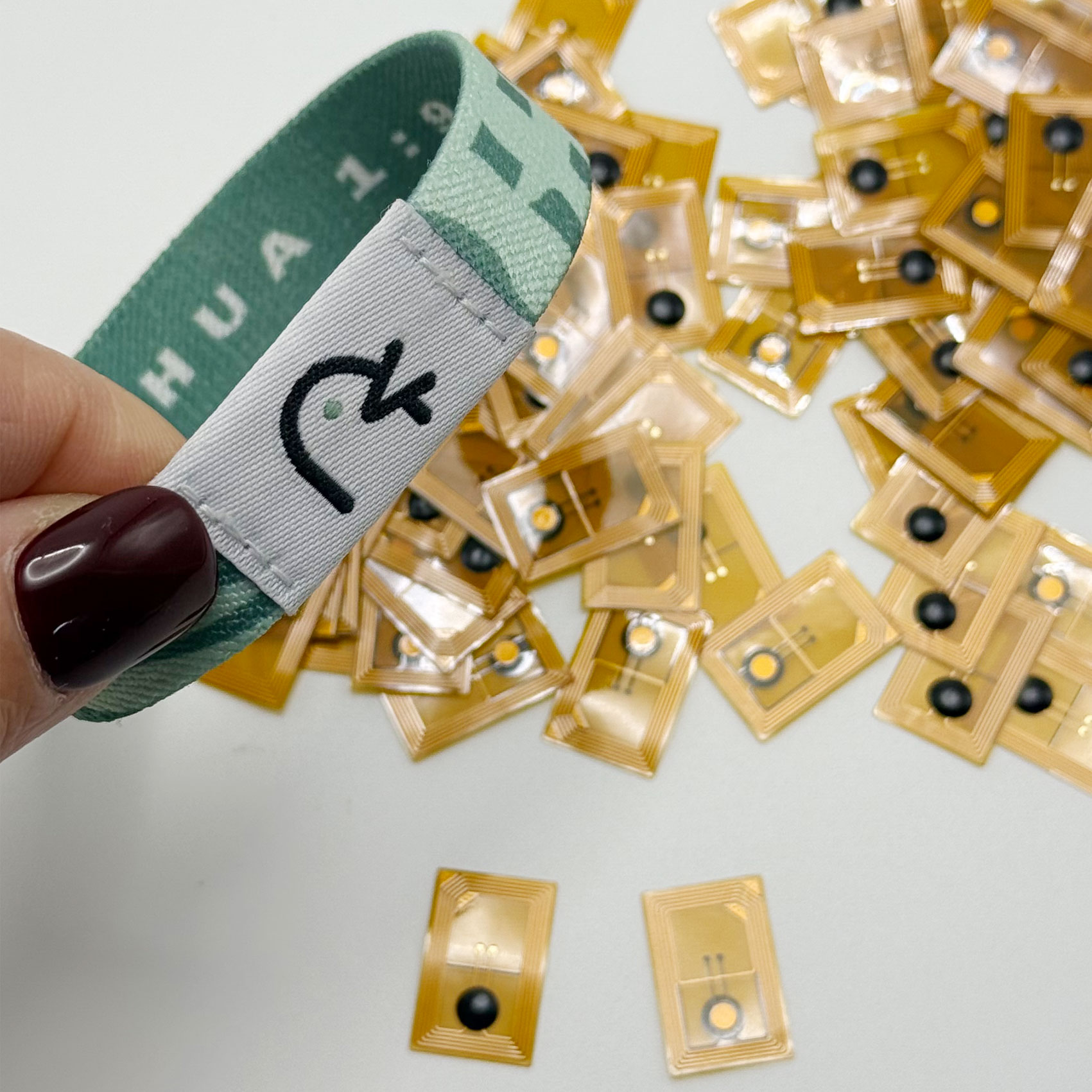 NFC FPC tag combined with elastic wristband
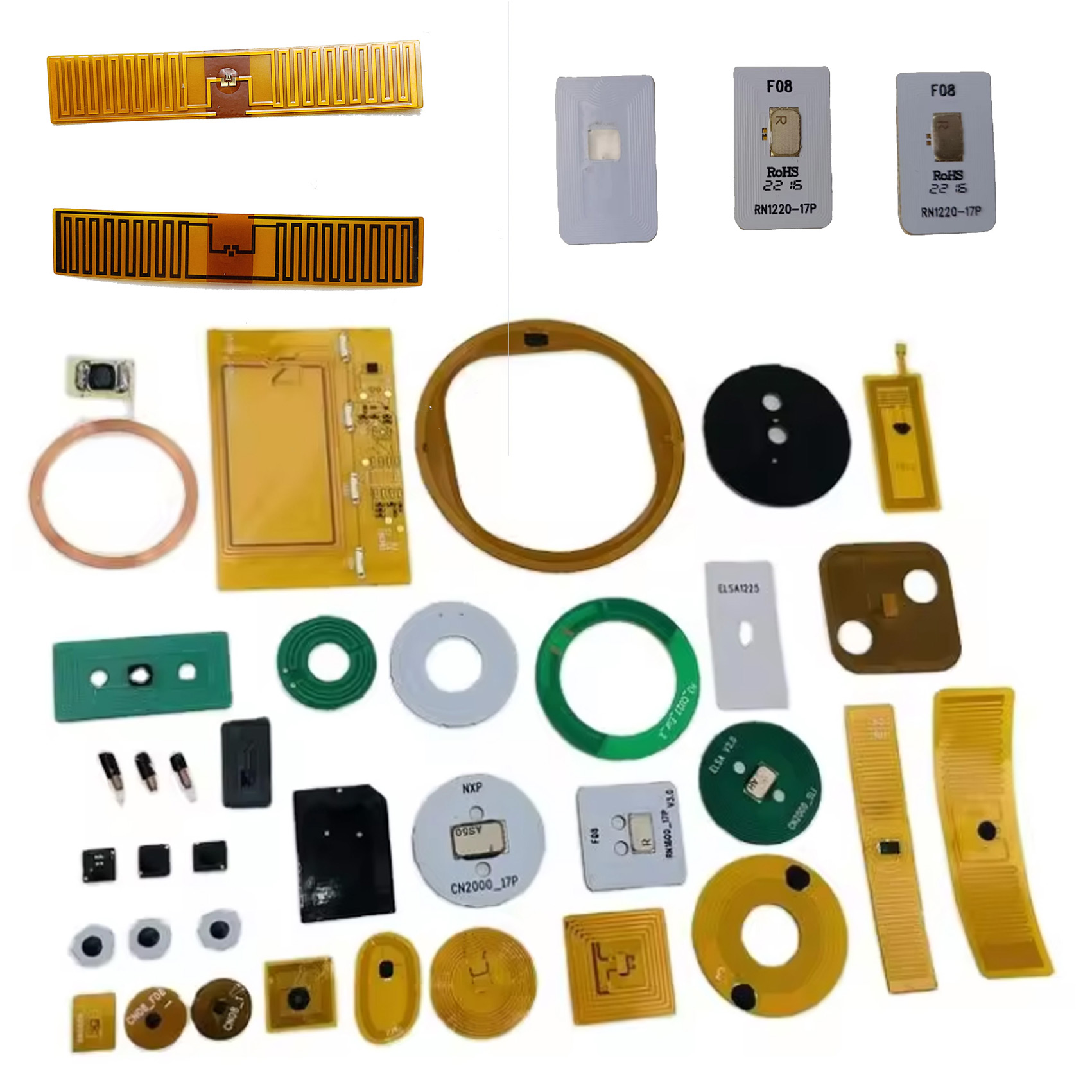 Micro RFID Flexible Printed Circuits for Electronic Packaging
Let's learn about FPC tags in RFID technology
Micro RFID Flexible Printed Circuits for Electronic Packaging
Let's learn about FPC tags in RFID technology
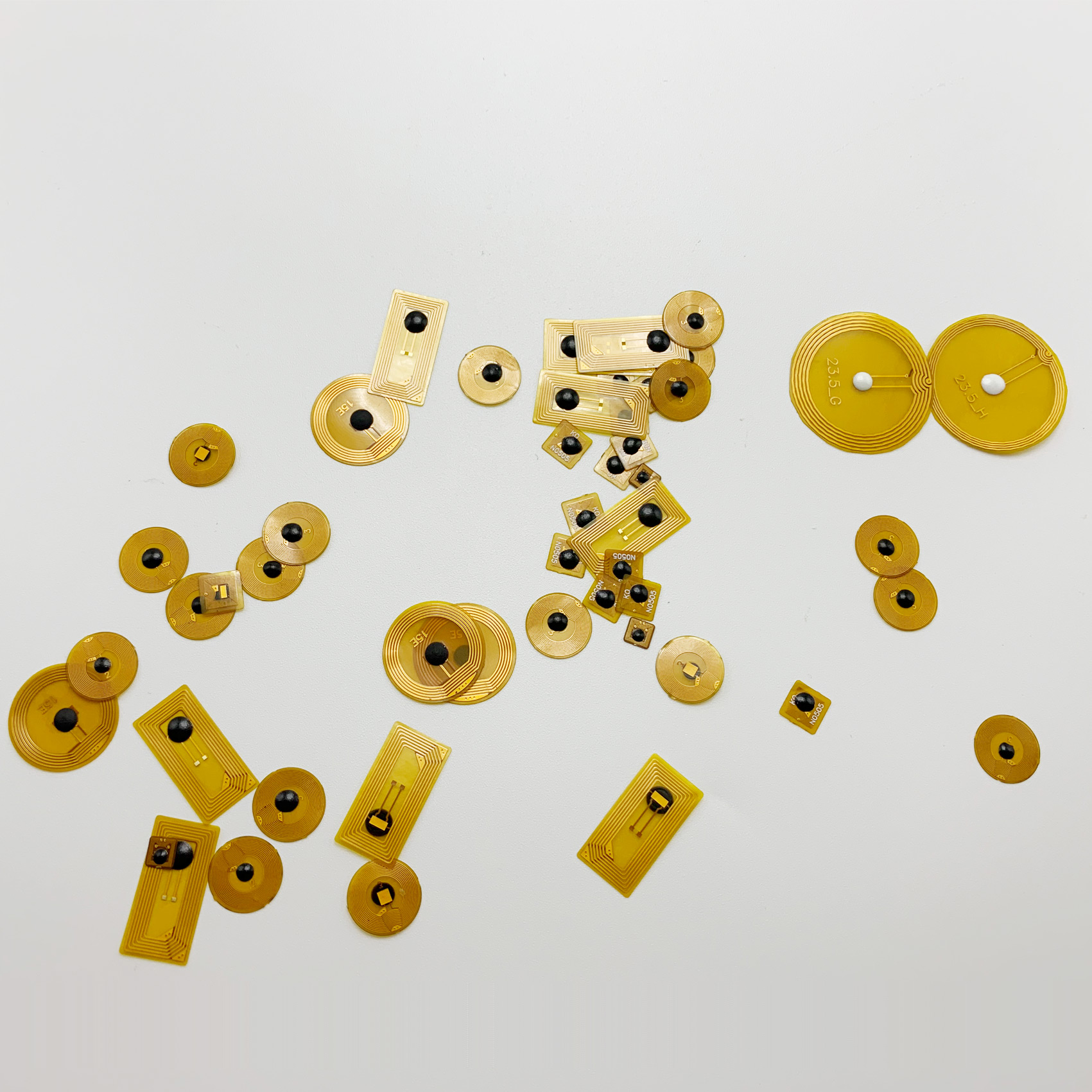 Do you Know more detail for RFID NFC FPC tags
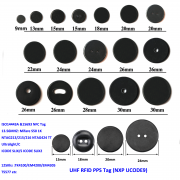
 Hih temperature UHF RFID Anti-metal Tag